

Sourcing Korean seeds and cooking heirloom Korean vegetables in the U.S. with Leach’s favorite Korean American chefs
Take a scroll through farmer Kristyn Leach’s Instagram feed, @namu_farm, and you’ll find Korean produce unlike anything in your town’s H Mart.
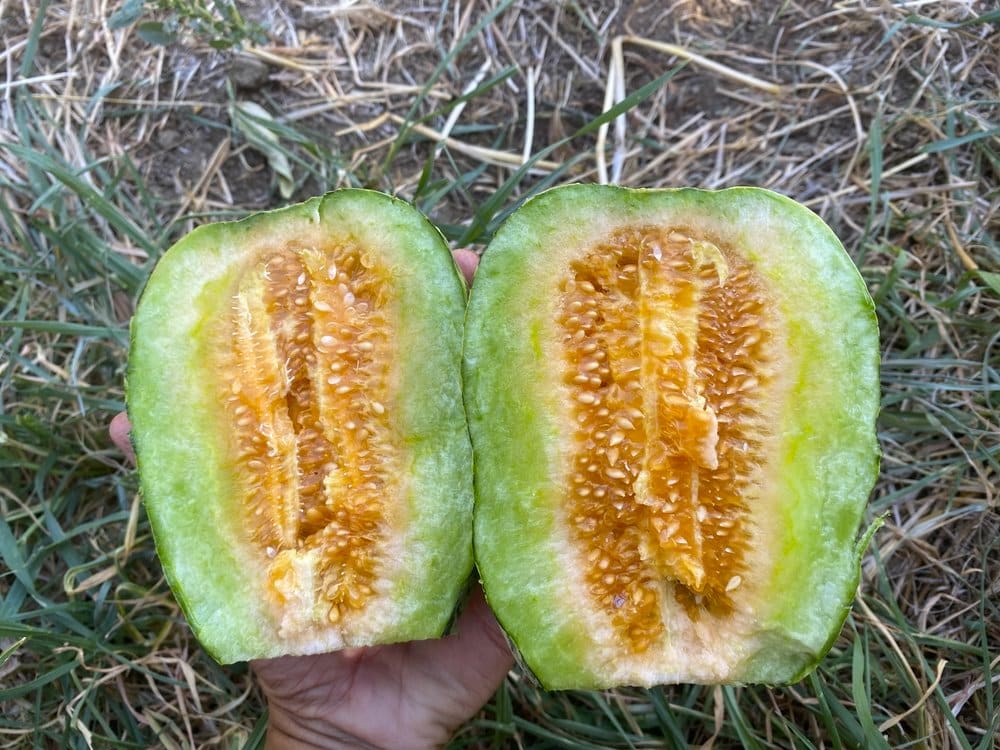
There are eye-catching gaeguri chamoe – evergreen-speckled, watermelon-like “frog melons” that fit in the palm of one hand – and burnt sienna-hued nogak – mature cucumbers whose skin takes on the look of desert-cracked sediment. These are just two of the heirloom crops that Leach has cultivated from Korean seeds as she’s made a name for her Namu Farm in Winters, Calif.
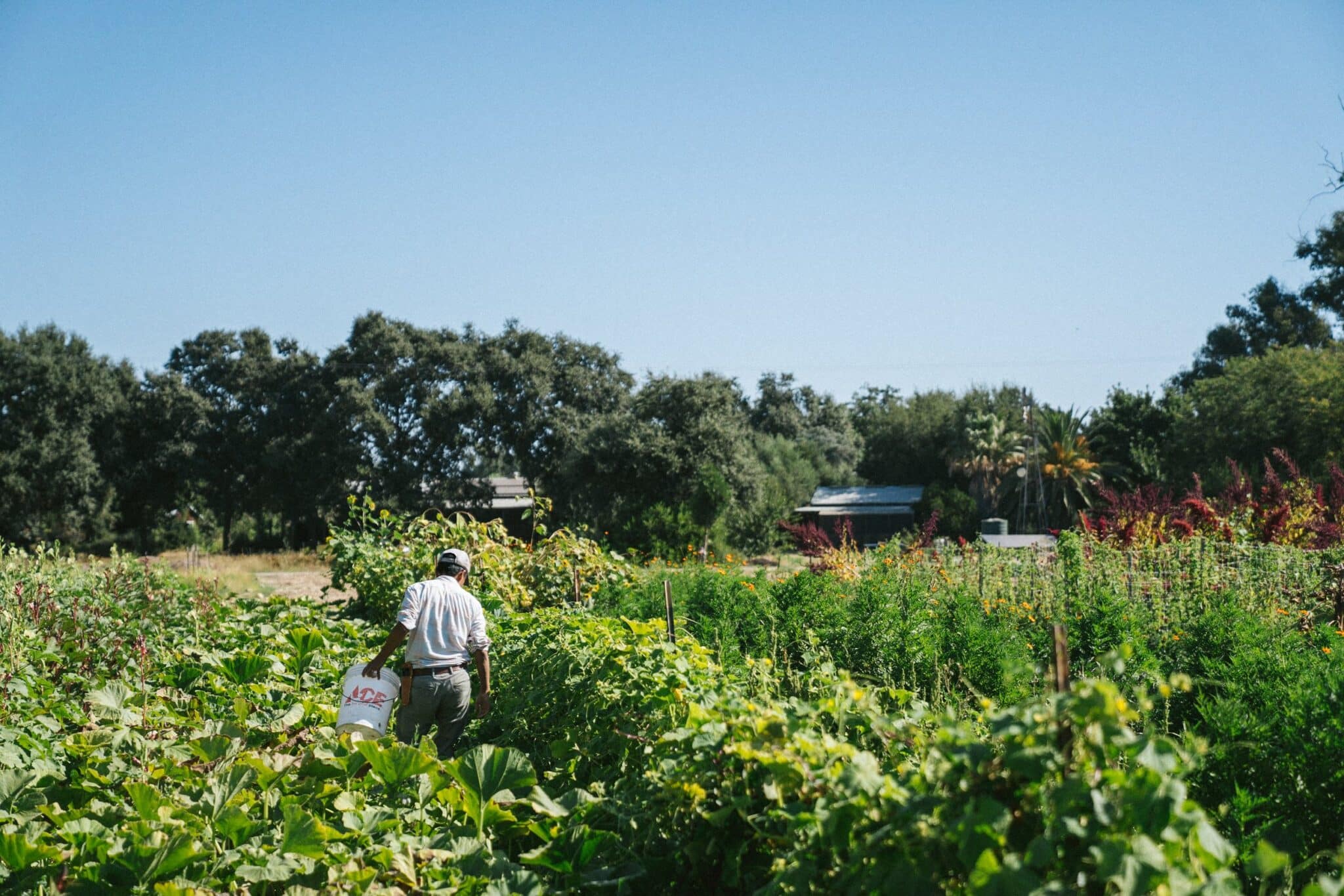
In recent years, Leach and Namu Farm have received glowing coverage from Modern Farmer, Bon Appetit, Atlas Obscura and countless media outlets. Adopted from South Korea to the United States as a baby, she tells a powerful story about connecting to her roots by growing heritage crops from Korean seeds, using traditional farming methods without pesticides, GMOs or other interventions. Recently, she successfully raised funds to secure a long-term home for her farm project, a plot of land that she’d call The Gohyang Seed Campus after the Korean word for “hometown.” (If you’d like to contribute, you can still do so here.)
I first heard about her as the produce supplier to the San Francisco Bay Area’s delicious Namu Restaurant Group, but Adam Oelsner, my collaborator on our food illustration project Eat Drink Draw, met her much earlier. In the early 2000s, they were college students together at Evergreen State College in Olympia, Wash., where they became friends and both discovered their love of Korean food.
Now, Leach is devoting herself to Second Generation Seeds, a seed company and farmer collective that connects BIPOC farmers to the crops of their cultures. That’s where we come in as Eat Drink Draw. It’s been our privilege to collaborate with Leach to create a series of illustrated chef profiles for Second Generation Seeds, featuring Korean American chefs and how they use fresh ingredients grown from Korean seeds.
As Eat Drink Draw, we (Hannah Bae and Adam Oelsner) drew these portraits and crops and wrote the text after interviewing the chefs and consulting Second Generation Seeds’ resources.
We’re delighted to share our illustrated Korean American chef profiles with a new audience here, and we hope these inspire you to cook these recipes and even grow your own heritage produce from Korean seeds sourced from Second Generation Seeds.
Korean American chef profiles
Chef Dennis Lee and gochu
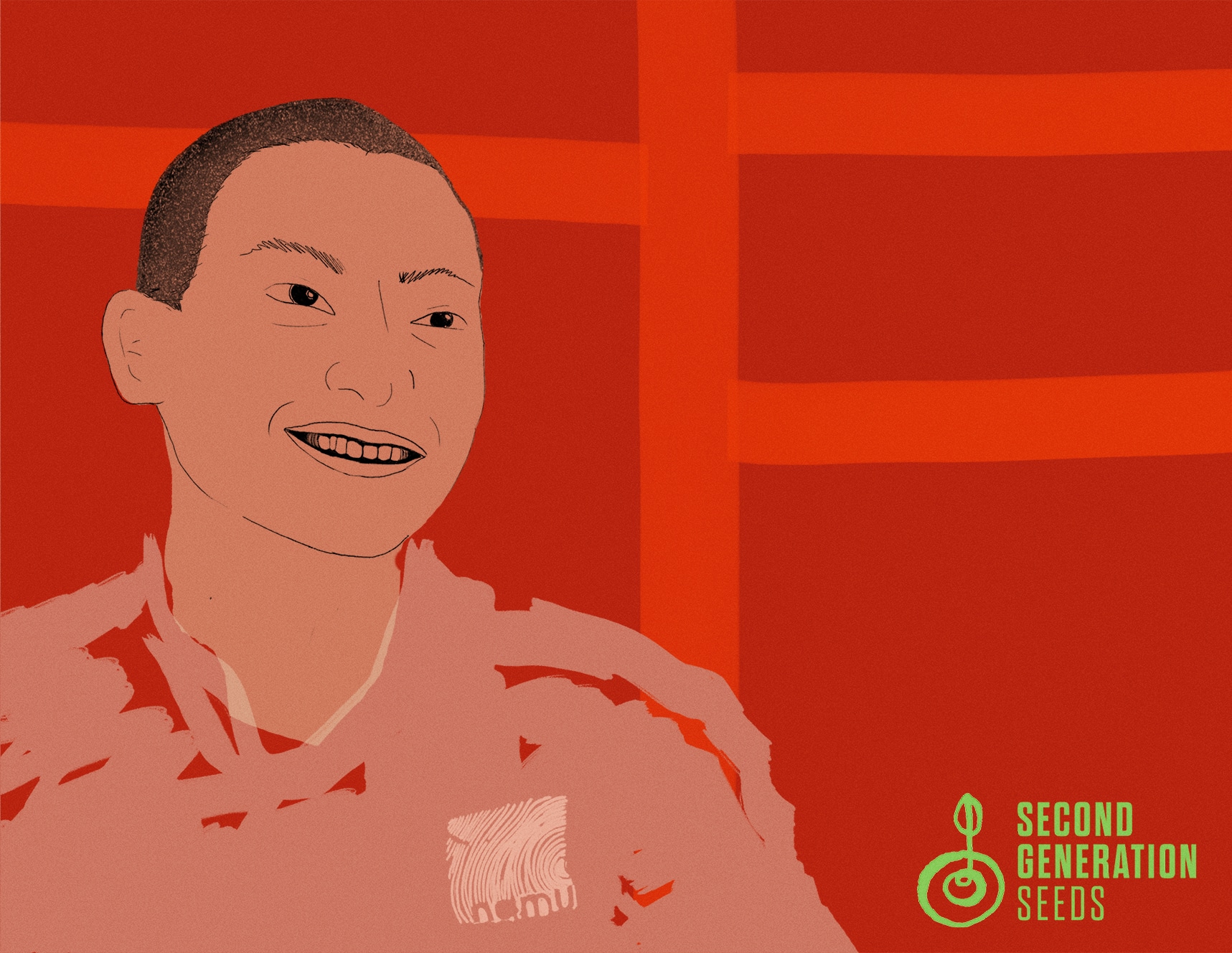
Chef Lee and his brothers Daniel and David opened the first location of their Namu Restaurant Group in the Bay Area in 2006. Whether they’re serving stone pots or pizza, their food is creative, delicious and filled with fresh, local ingredients.
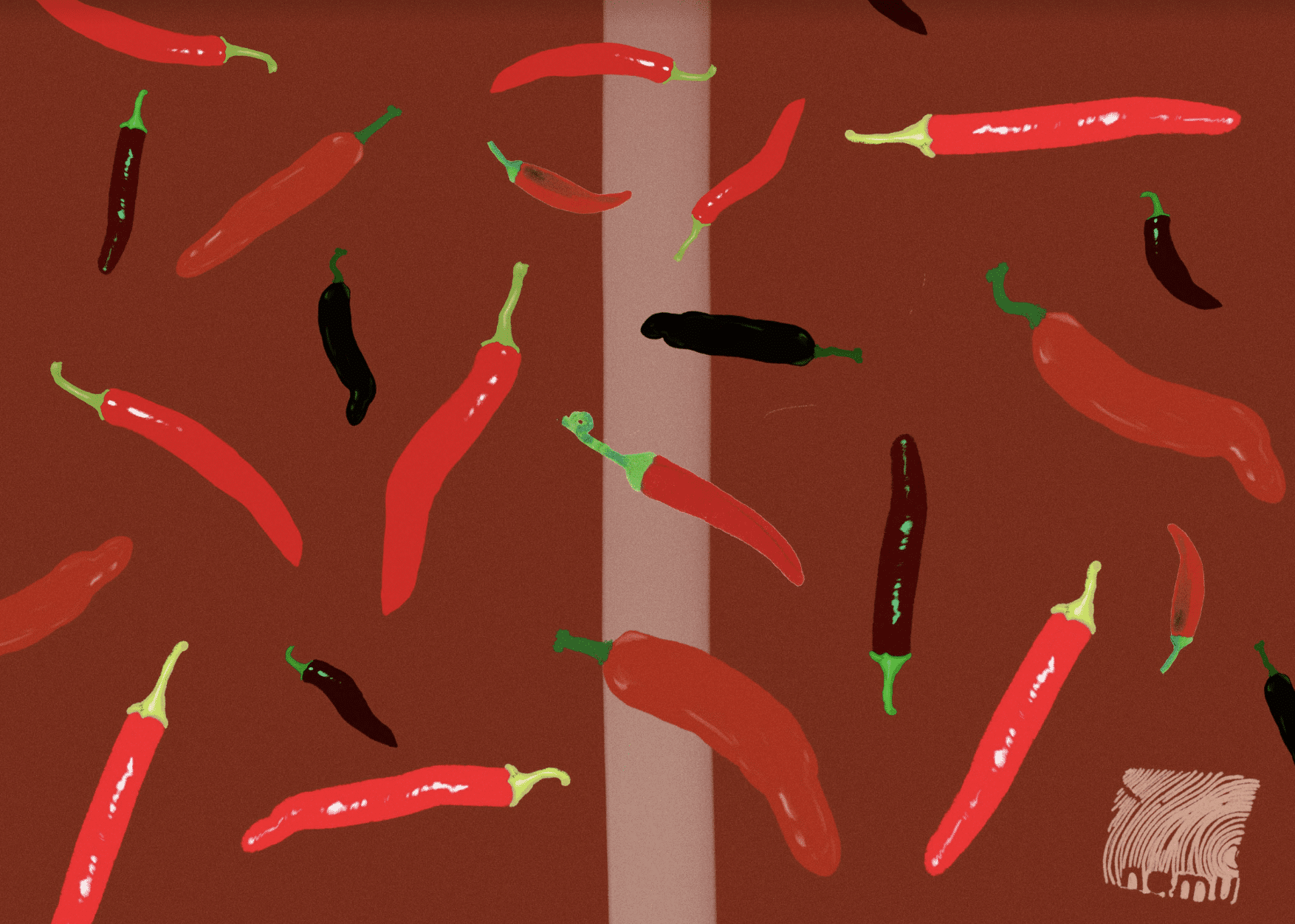
Gochu: It’s generally believed that chili peppers arrived in Korea in the early 16th century. By 1700, chilies were popular enough to make their way into entries of encyclopedias and farming manuals. While put gochu and hong gochu broadly refer to the different stages they are eaten, many distinct cultivars have been developed on the Korean peninsula, elevating gochu to an iconic place with Korean food and culture.
Q&A with Chef Dennis Lee
Do you have any memories that you could share about your personal experiences eating gochu or cooking with them?
Some of my favorite family gathering memories include summer BBQs, celebrations and family camping/fishing trips, munching on fresh green chilies with gochujang and perilla with fresh-caught skate or striped bass sashimi or succulent, shimmering galbi with toasted edges, dripping with fat, wrapped in perilla with raw garlic and gochujang followed by bites of a fresh chili in hand like a one-two punch.
What does gochu mean to you?
Gochu to me is a staple in any Korean family garden from the countryside farms of Korea to the suburban backyards of Watertown, Mass., and beyond. It is a lasting connecting with Korean heritage, yet ironically a cultivar with origins in central or southern American regions that have over time become ubiquitous in Korean cuisine. Gochu also means “peepee” or “private part,” as my grandmother would use the word referring to a penis when teasing us or telling funny stories to us as little children.
Do you have any tips on using gochu or quick recipes where this ingredient shines?
Fresh picked is best and easiest, but obviously not a “recipe.” For me, the seeds play a huge part in the complexity and eating experience.
Cut fresh green gochu into 1 cm pieces and pickle for a couple days in equal parts vinegar, water and tamari with a dash of mirin to taste (bring the brine to a boil and pour over). Finish with toasted sesame oil and sesame seeds when eating. Great with rice, meat and beer. For a sweeter and mellower eating experience, blister the gochu in oil whole prior to pickling/marinating. This can be enjoyed right away.
Chef Esther Choi and kkaennip

Esther Choi is the chef and owner of mokbar, a Korean restaurant with locations in New York City. Inspired by the everyday food, culture, and lifestyle of Korea, mokbar’s menu incorporates fresh ingredients from local farmer’s markets and Korean artisanal food producers. Known for their Korean ramyun noodles, they also offer Korean drinking snacks (anju) and other tasty side dishes.
Kkaennip: A truly beloved plant, kkaennip has been cultivated in Korea for centuries. Our 38N variety is the classic large leaf type used for ssam (Korean meals where leafy greens are used as wraps), flavorful and hardy enough for jangajji (pickled vegetables). Green on top with golden lilac undersides, our plants have a bushy stature, providing continual leaf harvest.
Q&A with Chef Esther Choi
What does kkaennip mean to you?
I always call it “THE Korean herb” or “the ultimate Korean comfort vegetable.”
Do you have any memories to share about your experiences eating kkaennip or cooking with it?
Kkaennip is an herb/vegetable that I grew up eating. Although it was not available in any supermarkets in my hometown in South Jersey, my grandma was determined to have a bounty of Korean vegetables always on hand. She grew a huge garden in our backyard – many of the rows were filled with kkaennip, which was definitely my favorite of all time (and still is!). We’d eat them raw as a lettuce wrap, or she would use kkaennip to make various different pickles and fermented kimchis – my favorite was definitely the kkaennip jeon (pancake) she would make. Kkaennip still remains one of my favorite types of wraps to eat with Korean BBQ.
Do you have any tips on using kkaennip or quick recipes where this ingredient shines?
Honestly, I’d say eating it completely raw is the best form. But there are so many different ways to cook with it. Pickling and fermenting is definitely a favorite, and kkaennip is super robust so it will last a very long time in your fridge and still remain very fragrant and beautiful. I love to pickle it with soy and rice vinegar – super simple and delicious. Also, if you tempura fry kkaennip it’s such a pleasurable snack that can be whipped up in seconds.

Chefs Mina Park and Kwang Uh and jeok gat

Kwang is originally from Seoul, went to the Culinary Institute of America, and worked in New York City, Copenhagen, Italy, Spain and the Bahamas. He opened Baroo in 2015 with a former business partner, and the restaurant became known for its experimental spirit and focus on fermentation at everyday prices.
Mina was born and raised in the U.S. and lived in London, France and then Hong Kong. They met while studying with the Buddhist nun Jeong Kwan seunim at Baekyangsa temple in southwest Korea. Prior to moving to Los Angeles, Mina ran a pop-up called Sook and taught Korean cooking classes in Hong Kong.
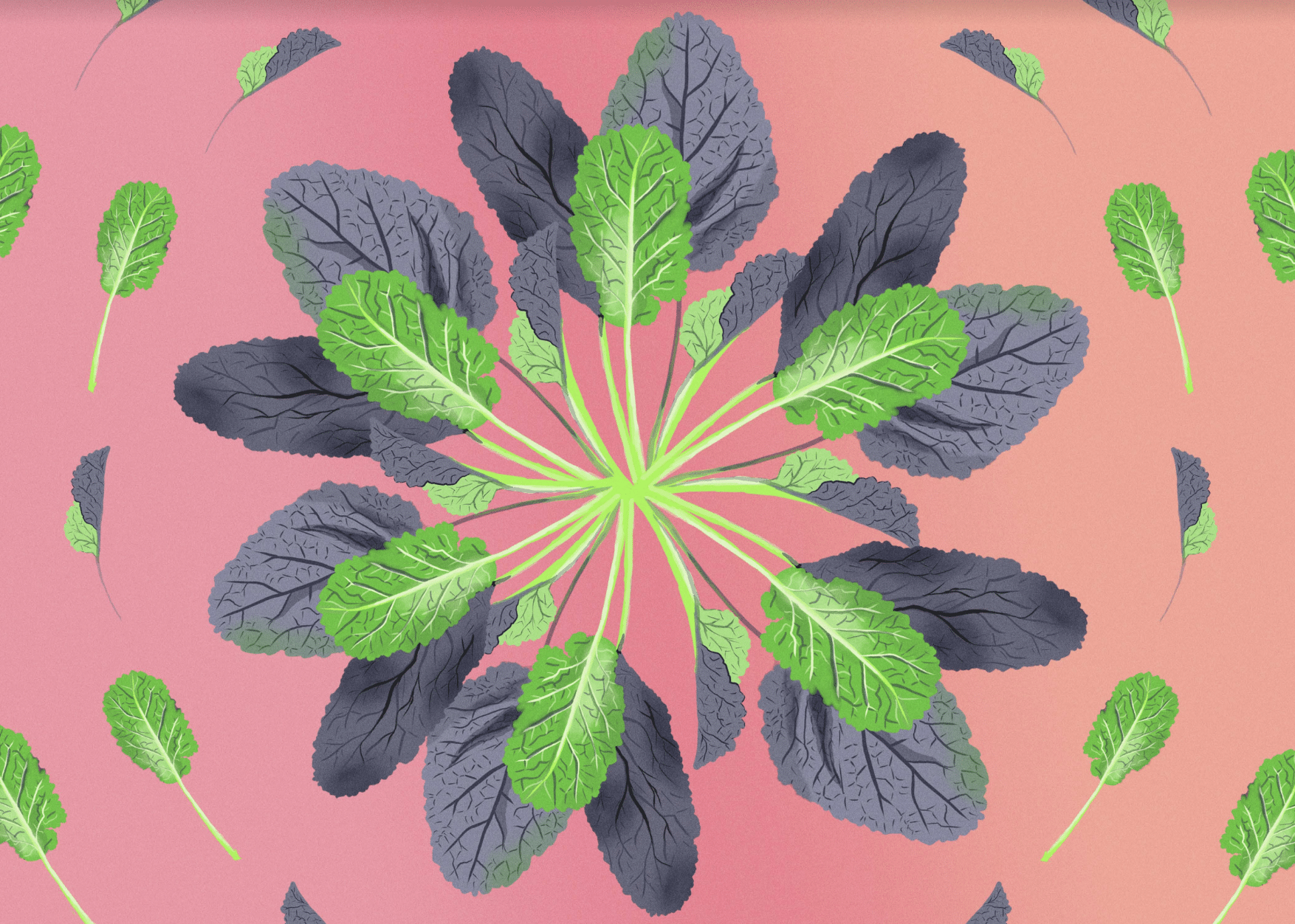
Jeok gat is a strikingly colorful variety of leaf mustard. A rich source of vitamins, the leaves, stems and seeds have a spicy kick that’s much loved in Korea. It’s used in many different preparations, and it’s especially popular as a kimchi.
Q&A with Chefs Kwang Uh and Mina Park
What does jeok gat mean to you?
Jeok gat is such a unique, definitively Korean green, and we see a spontaneity in the flavor of gat that reminds us of the feeling when we listen to jazz. The flavor of gat is surprising and complex. When gat kimchi ages, the flavor deepens and changes in ways you may not expect.
Do you have any memories that you could share about your personal experiences eating and cooking with gat?
Mina: My family is from Jeolla province, and gat kimchi is a staple for us. It happens to be my favorite kimchi and just tastes like family to me. When I visit Korea, I eat homemade gat kimchi with every meal and leave with my suitcase full of it. Since my mother passed away, my aunt regularly mails me a very carefully sealed package of gat kimchi wherever I’m living.
Kwang: I’m a lifelong fan of gat kimchi, because my childhood neighbor was from Jeolla-do. When I stayed at a temple in Jeolla-do for six months, I gained a lot of experience making it. In that province, you’ll see gat and gat kimchi used in an astonishing array of regional dishes like braised gat kimchi, gat kimchi stews, dumplings made with gat, and many more.
Do you have any tips on using gat, or quick recipes where this ingredient shines?
For our restaurant, we make a refreshing white kimchi made with gat that’s spiked with citrus.
Recipe: Lemony Korean mustard green kimchi
Ingredients:
- 500 ml purified water
- 1 kg mustard greens
- 30 g sea salt or kosher salt
- Half an Asian pear
- 100 g daikon
- 10 g sea salt
- Zest and juice from 1 lemon
- 3 cloves of garlic
- 2 scallions
- 3 cm piece of ginger
Wash and dry the mustard greens, then cut into 7 cm lengths. Soy sauce optional. Toss wi th 30 g of salt and let sit. In a large bowl, mix 500 ml purified water with 10 g salt, and the lemon juice and zest. Peel and roughly chop the Asian pear, daikon, ginger and garlic. Blend the pear, daikon, ginger and garlic, and strain the juice using a fine mesh, ideally a chinois. Cut the scallion in 5 cm lengths, then place the mustard greens and scallions in a sterilized glass jar.
Cover with the juice, and add soy sauce if you like. Leave at room temperature to ferment for 4-5 days. (If it’s summertime or your house is hot, 2-3 days may be enough.) When it’s fermented to your liking, store in the refrigerator.
Chef Ji Hye Kim and nogak

Ji Hye Kim is the chef and owner of Miss Kim, an acclaimed restaurant in Ann Arbor, Mich. Her menu, inspired by ancient Korean culinary traditions, incorporates local Midwest ingredients. Ji Hye’s passion for cooking began in her childhood in Seoul, where her mother introduced her to the art of home cooking. After a career in hospital administration, she pursued her love for hospitality, training with Zingerman’s and the Rome Sustainable food Project. Ji Hye launched her first business, a Pan-Asian food cart, in partnership with Zingerman’s, before opening Miss Kim in 2016.
Her dishes, including signature items like Royale Style Tteokbokki and Fried Caramel Broccolini, challenge common perceptions of Korean cuisine while highlighting its regional diversity. Ji Hye’s work has been recognized by Food & Wine and the James Beard Foundation.
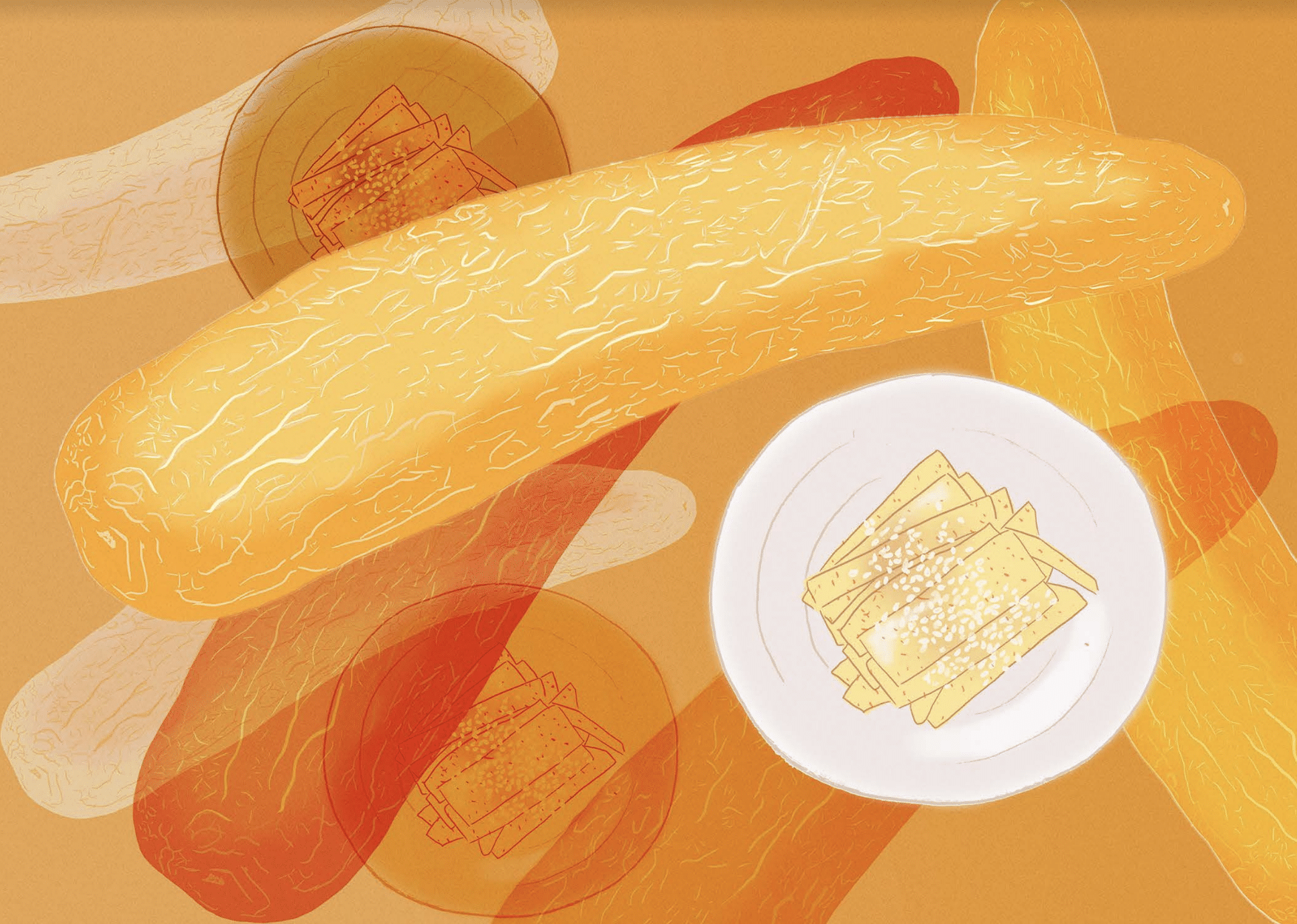
Nogak is a yellow, thick-skinned variety of cucumber that is grown and eaten all over Asia. In Korean, nogak means “old cucumber.” Its firm, crunchy consistency makes it perfect for soups, pickling, sauteing or stir-frying.
Q&A with Chef Ji Hye Kim
What does nogak mean to you?
I didn’t grow up with nogak, and that’s what makes it even more special for me. It’s a reminder of the depth and diversity of Korean cuisine, and it keeps me a humble student of it.
Do you have any memories that you could share about your personal experiences eating and cooking with nogak?
I have a farmer friend named Tammie who grows Joseon Shorties for me. She runs a farm called Tamchop Farms and is part of Zingerman’s. Tammie is interested in growing unique vegetables and works with local farmers to do so. Although she doesn’t sell it, she harvests nogak and gives it to me to try. She uses Row 7 Seeds and Kitazawa Seeds, as well as Second Generation and other heirloom seeds, to create new, interesting varieties of vegetables.
Do you have any tips on using nogak, or quick recipes where this ingredient shines?
I find nogak to be a unique vegetable with a different flavor and texture than regular cucumber. When it is green, it has a crunchy texture and more sweetness than a typical cucumber. To prepare it, you want to peel it, seed it and chop it into a salad with garlic, chives, scallions, sesame, salt and vinegar. Alternatively, you can make nogak naengguk, a cold soup with crunchy nogak and miyeok.
When the nogak turns yellow and the skin becomes rubbery, you can peel it and slice it in half. The texture is not as crunchy, and it starts to have a slightly tangy flavor. To prepare it, you can saute it with gochujang and a little fish sauce to balance the bitter notes. You can also make a soft and comforting dish by sauteing it until it becomes silky and eating it over rice.
Other common recipes for nogak include slicing it, salting it, squeezing the water out and quickly sauteing it with small baby shrimp or dried shrimp. It can also be used in a dish with ground beef and soy sauce.
A list of Korean seeds you can purchase from Second Generation Seeds:
- Joseon Shorty cucumber
- Oasis Tong Ho (ssuk gat)
- 38N Kkaennip (Korean perilla)
- Cha Jogi (a wilder form of red perilla)
- Gaeguri Chamoe melon
- Sagwa Chamoe melon
- Gyopo Gochu chili pepper
- Lady Choi chili pepper
- Jeolla Do Large Leaf red mustard greens (sold out for 2023)
- Black Chestnut soybeans (sold out for 2023)
Learn more about Leach, her work and the other heirloom Asian seeds she sells at Second Generation Seeds’ website.
Stay tuned to our Instagram @eatdrinkdraw for more of our food illustrations and updates!


